How to Get Your First 1,000 Streams on Spotify
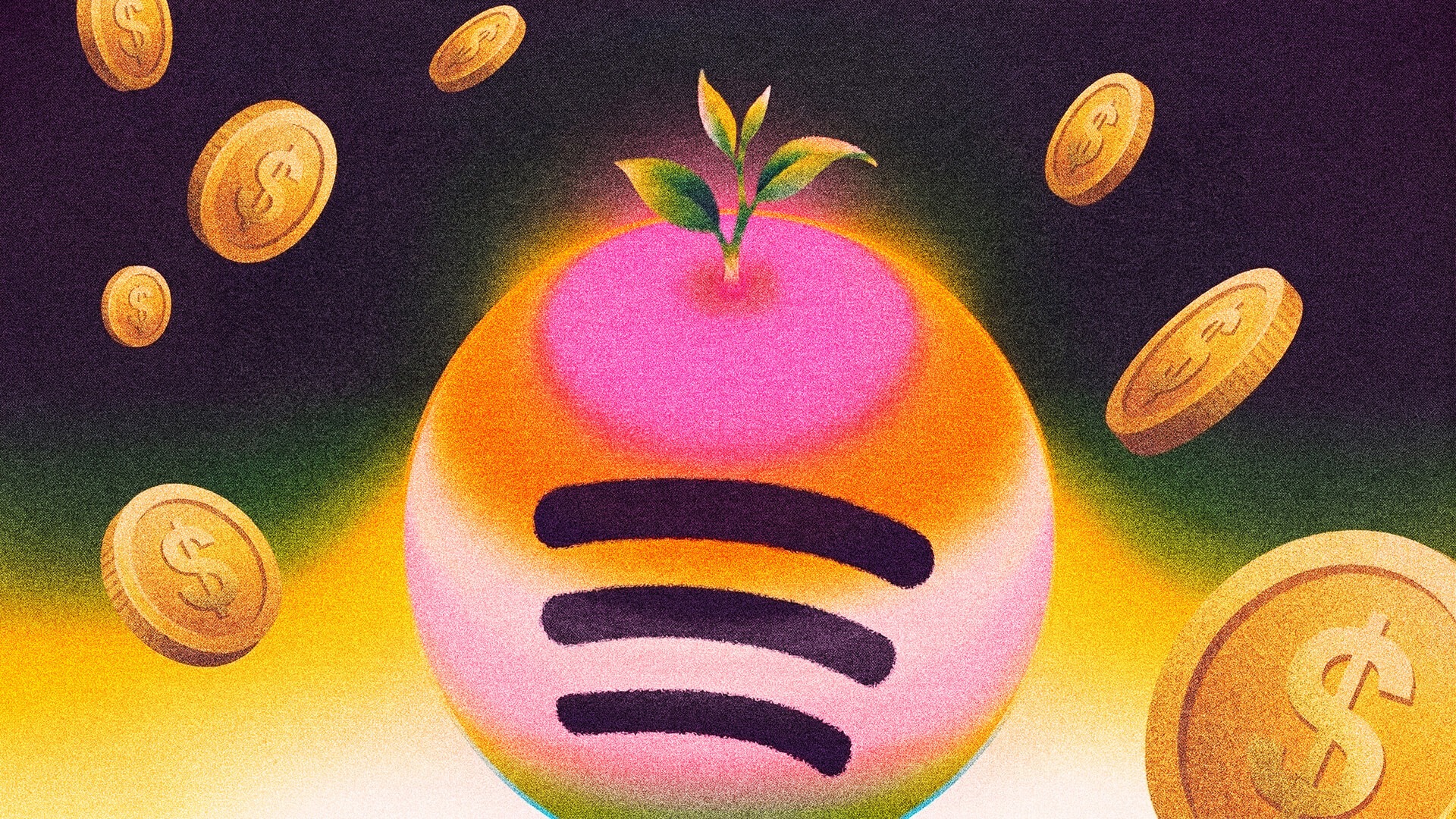
Every artist starts at zero, and reaching your first 1,000 streams on Spotify can often be a difficult hurdle to clear. But clearing it sets you on a path towards building a real audience.
According to Luminate, 88% of tracks in 2025 received 1,000 streams or fewer. What does 1,000 streams on Spotify mean? On Spotify, 1,000 annual streams is the minimum threshold a track must reach to qualify for royalties. Spotify counts streams on a rolling basis over the past 12 months and also requires a minimum number of unique listeners, which it doesn’t disclose.
The good news is you have more ways to reach listeners than you might think. If you’re wondering how to get more streams on Spotify? Here’s a good place to start.
Profile hygiene: Get your Spotify artist profile ready
First impressions matter. Before you start promoting, you need a profile that looks intentional rather than abandoned when a potential new fan stumbles on your page.
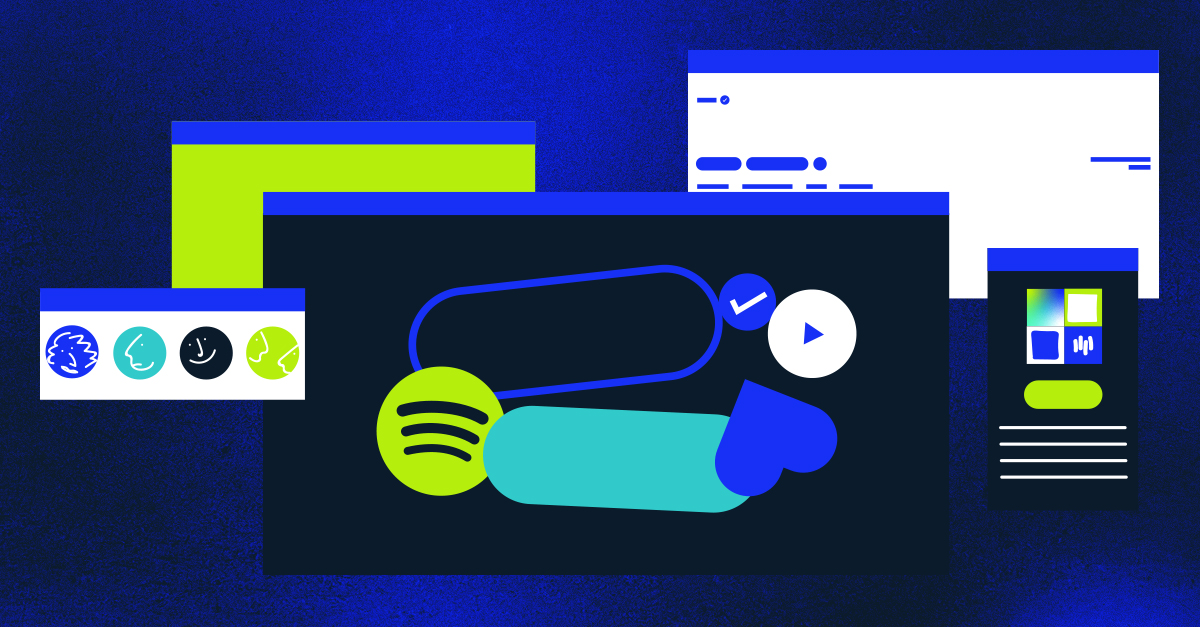
First, make sure the basics are covered. Claim your profile through Spotify for Artists so you can manage your bio and content. Upload your artist photos. Tell your story with a concise artist bio that gives people a reason to be curious about your music.
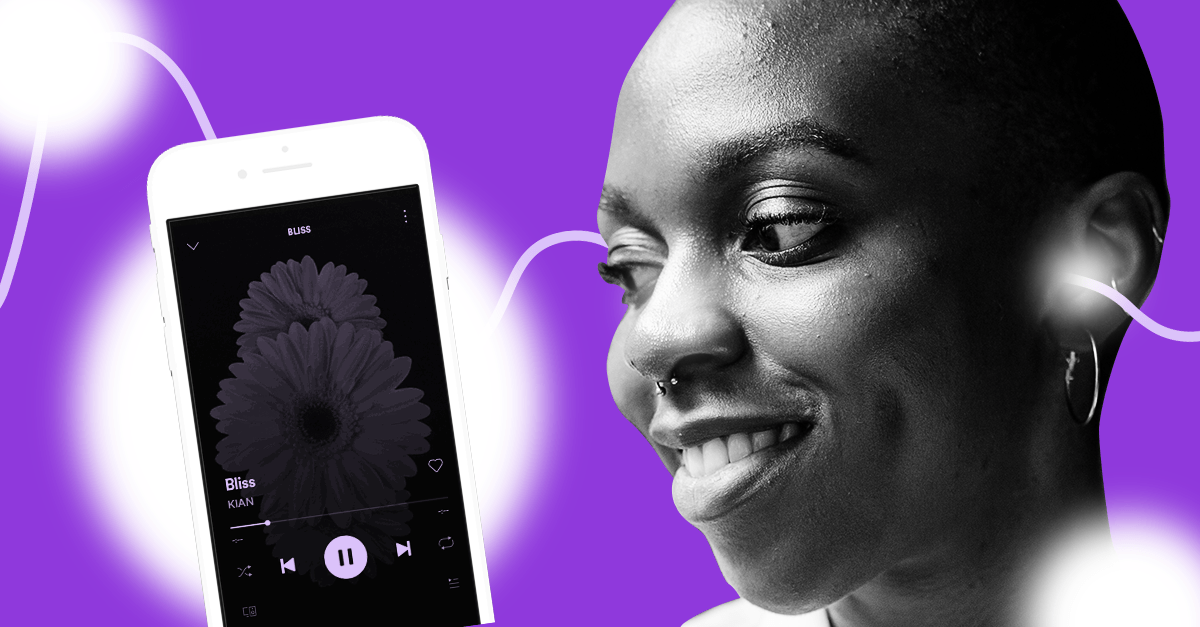
Add a Canvas loop to give listeners a visual that complements your track. Spotify increasingly values video content across the platform, so don’t ignore this feature. A static Now Playing view can look dull.
Adding motion makes it more fun and engaging. When a listener sees a creative visual looping behind your song, they are less likely to swipe away. The data backs this up: Spotify’s own reporting says tracks with a Canvas get on average 5% more streams and 145% more shares.
Use the Artist Pick feature to showcase your latest release directly on your page. Adding a custom note will help personalize it for fans and keep your new song front and center.
A good rule to remember: Use every opportunity the platform gives you to maximize your chances of building a fanbase. Give people a sense of who’s behind the music. Your profile is a chance to do just that.
Community building
This is the most overlooked way to grow fast. You need to build a bridge from the physical to the digital. This means finding your people. The bridge is made from different touchpoints and may look like performing live, stickers, business cards, or QR codes at the merch table.
Talking to friends, family, co-workers and getting active in any group chats or channels you’re already part of can be useful for those early streams. Performing live is also a great way to do this. It allows you to not only grow artistically, but also meet like minded artists at gigs and build your fan base.
Early on, say yes to most opportunities that get you out playing and meeting people. Even if they’re mainly only a learning experience. From open mics to school functions and dive bars, you never know who you’ll meet or what doors will open, so just get out there.
Supporting other artists is also a great way to build good energy around your own project. You can find your communities online too: In Reddit forums, YouTube, Discord groups and other digital music communities.
A mixture of both real-world and online community building works well for many. Meanwhile, being open to opportunities doesn’t mean trying to make your music appeal to everyone. That’s where positioning comes in.
Positioning and the generic message trap
Stop trying to appeal to everyone and start figuring out who is going to value what you’re doing the most. You want to clearly communicate who you are, what you’ve made, and why it matters.
The more generic a message is, the more invisible it is to people with busy lives and short attention spans. “My new track is out now!” posts might announce what you have, but they won’t tell someone why they might enjoy it.
Ideally, you want your messaging so clear that a friend would be able to easily describe what you’re doing to another person who has never met you. Simple doesn’t mean boring. Be creative, be expressive, but clarify your ideas for others so they can understand and get behind your vision.
A mistake artists often make when starting out is to inflate their biographies to seem more important or established than they are. This can do much more harm than good. Who you are, not to mention your actual point of view is much more valuable than a list of exaggerated claims.
The algorithm relies on context. If you can’t describe your sound in 5 seconds to a stranger (e.g., “witch-house meets Y2K pop ballads”), it will struggle to find your audience. Be specific. Specificity is the fastest way to get classified correctly in Spotify’s discovery system.
References can help people understand your sound, but don’t frame yourself as a worse version of something that’s already popular. Give them a reason to listen to you in particular.
How to pitch to Spotify Editorial Playlists
Make your pitch easy to understand, easy to care about, and easy to act on. Select the most accurate genre and sub-genre and be honest about the mood and sound. Think about the spaces you imagine your music being played in. Then, with the metadata taken care of, use the pitch itself to explain what the categories can’t.
Where does your song fit into the larger musical landscape or cultural context? Maybe it grew out of your local DIY scene, draws upon a musical tradition connected to your family heritage, or brings an unexpected influence that will make it feel fresh. Give the editor something specific to work with. What makes it distinctive, and who might connect with it on a deeper level?
It’s perfectly okay to politely suggest relevant playlists to show that you understand your lane and to help nudge curators in the right direction (e.g., “Spotify’s Outliers playlist is great for more experimental and out-there sounds.”) Do some research about where you might fit.
Submit early. At least seven days before release is the absolute minimum, but honestly, three to four weeks is much better. Include relevant release plans in your pitch. You might not be able to control the outcome, but you can make it easier for an editor to understand what you’re offering.
Aim to start where you are and with what you have, then build over time. Small details help an editor understand what they’re hearing and why it deserves a closer listen.
Tapping into the independent playlist ecosystem
While editorial playlists can be a lottery, independent playlists are where small wins add up over time. The goal of a non-editorial playlisting push is to build social proof, connect with diehard fans of your genre, and train the algorithm to know where your music fits.
Community-curated lists are often overlooked. Look for playlists run by local cafes, festivals, genre-specific blogs, or fanzines. These are often a great place to find niche, highly motivated, active listeners.
Most local businesses have playlists these days too and artists often overlook this opportunity. Listen to the playlist before reaching out. If your track is a great fit, send a short message explaining why, with a direct listening link. Do not include bulky attachments, ramble on and on, or follow up multiple times if you don’t hear back.
You can also make your own playlist. Fill it with your influences, artists in your scene, artists you aspire to have as peers, and, most importantly, your own tracks. Share it on social media.
Paid promotion can also help extend the reach of a playlist, but it would be better to treat it as an experiment, not a shortcut. If going this route, set a modest budget, watch whether it creates engagement, and stop if it doesn’t. Some artists might pool resources for a strategy like this. But be realistic about expectations.
Socials and consistency
Give the release multiple chances to shine. Remember, people are busy and often miss posts. Reframing the release in different ways maximizes the chances fans will find a way to connect with the music. Figure out what type of content you feel most comfortable making, start with one or two posts a week, and build a rhythm you can maintain.
A live clip, behind the scenes studio footage, collaborator spotlight post, or a lyric breakdown video can all give the same release a different entry point. Give your fans a reason to talk and hold their attention. Think in terms of storytelling rather than an advertisement.
Don’t forget, you can start mobilizing your audience early before your song ever drops through a pre-save campaign. Songs that grab hundreds of pre-saves have a much better chance of hitting Release Radar rotation, which is an algorithmically generated playlist personalized for each user every week. That’s a headstart which is worth the extra preparation. If you want to dive deeper into that topic, we’ve got you covered with this article.
Conclusion
Reaching your first 1,000 streams is more than just a vanity metric, it’s a clear signal your music is starting to connect with audiences. Working your way through these steps will help you figure out how to reach more listeners.
While this milestone is something to be proud of, remember to look beyond the raw stream count. Pay attention to saves, repeat listens, and evidence that fans are eager for more. Don’t be discouraged by the early grind, and instead view this phase as the foundation of your long-term artist development. This is where you learn what works.
And finally, don’t forget that new hits down the road can suddenly activate your back catalog once you do find your community. Not every track will explode the day it’s released. Sometimes it takes months, if not years, for the right audience to find it. Keep the pressure on, pay attention to what keeps listeners coming back, and stay consistent. Your audience is out there waiting. You just have to give them a reason to listen.
Tobias Rochman is a producer, musician, DJ, and writer based in Montréal. He co-founded Pelada, an electronic duo that released its debut album on the Berlin label PAN and toured extensively around the world, playing festivals including Primavera Sound and MUTEK, along with clubs such as Berghain. He now records and performs solo as RocMan and co-hosts Oblique Frequencies, a monthly electro radio show on n10.as
@Tobias RochmanGear guides, tips, tutorials, inspiration and more—delivered weekly.
Keep up with the LANDR Blog.
Latest Posts